
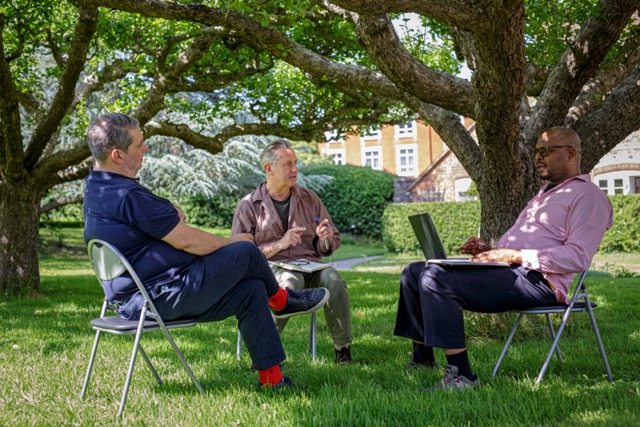
Finding spirituality in everyday life
What is spirituality? It sounds like an easy question, but people interpret it in many different ways.
Then there’s Christian spirituality. What makes it distinctive? And what do we mean by the ‘spirit’?
These questions don’t have quick answers, but they’re a good starting point for thinking about how we understand ourselves, the world around us and our relationship with God.
Start with questions
You don’t have to know exactly what spirituality means before you start exploring it. A good place to begin is simply to ask yourself what it means to you. Perhaps it means prayer, or your relationship with God. Maybe it has more to do with how you live or how you relate to other people. Or perhaps you’ve never really thought about spirituality in those terms before.
For Christians, spirituality connects our inner life to how we live. Prayer, worship and reflection all play a part, but spirituality isn’t only about what happens in church or during prayer. It also shows up in ordinary moments, in things we might overlook.
Bringing spirituality and science together
Science and spirituality might seem like very different subjects, but side by side, they can raise some interesting questions. Science can change how you think about spirituality and offer new ways to approach age-old questions. It might challenge something you’ve always assumed or give you a new perspective.
You don’t have to choose between science and faith. Bringing different ways of thinking together can help you explore your faith more deeply and sometimes see ideas in a new light.
Questioning is at the heart of theology study, and it’s part of what makes it so rewarding. You get to explore what you believe, ask why, and think about what it means for how you see the world.
What are spiritual practices?
One way to explore spirituality is through practice, and prayer is an obvious place to start. You might read the Psalms, sit quietly, or set aside time each day to reflect.
Spiritual practices can take you in unexpected directions. You might turn off the TV for a week or change how you eat. You could go for a long walk, spend time somewhere special to you, or notice what is happening around you.
There isn’t one perfect spiritual practice. What matters is the attention you bring and the space you make for prayer and reflection. Even something as ordinary as food shopping or walking the same route every day can become an opportunity to slow down and notice what you would normally miss.
Spirituality helps you see things differently
When you make time to explore spirituality, you may start to notice more of what is already around you. You might start thinking differently about the people in your life, your place in creation, or your relationship with God.
You don’t need a perfect definition of spirituality before you begin – there may not be one, and sometimes it’s better to sit with the question for a while. Spirituality can give you a reason to slow down and pay attention to the life you’re already living.
Study spirituality at St Augustine’s College of Theology
Curious to explore your own spiritual life more deeply? You may be interested in our Spirituality and Discipleship Taster Term, starting in April 2027.
The course runs part-time from April to June 2027 and costs just £250.
Want to find out more?