

Faith and social media: what does it mean to follow Jesus?
From celebrity spiritual gurus to Christian influencers, social media has changed how we encounter the Christian faith and engage with spirituality.
We can now follow people who offer spiritual advice, share their beliefs, and tell us how to live better lives.
But how do we know who to trust? And what does it mean to put our faith into practice when so much of life happens online?
The rise of the online spiritual guru
Social media has created new ways to engage with religion and spirituality. You can follow Christian influencers, listen to sermons, join online prayer groups and hear different perspectives.
There are clear benefits. It’s easier than ever to learn about Christianity, encounter new ideas and connect with people who share your beliefs. But anyone can build an audience, share Bible verses and offer spiritual guidance.
A large following doesn’t necessarily make someone a spiritual authority. Someone might say all the right things online, but that doesn’t necessarily mean they put those values into practice.
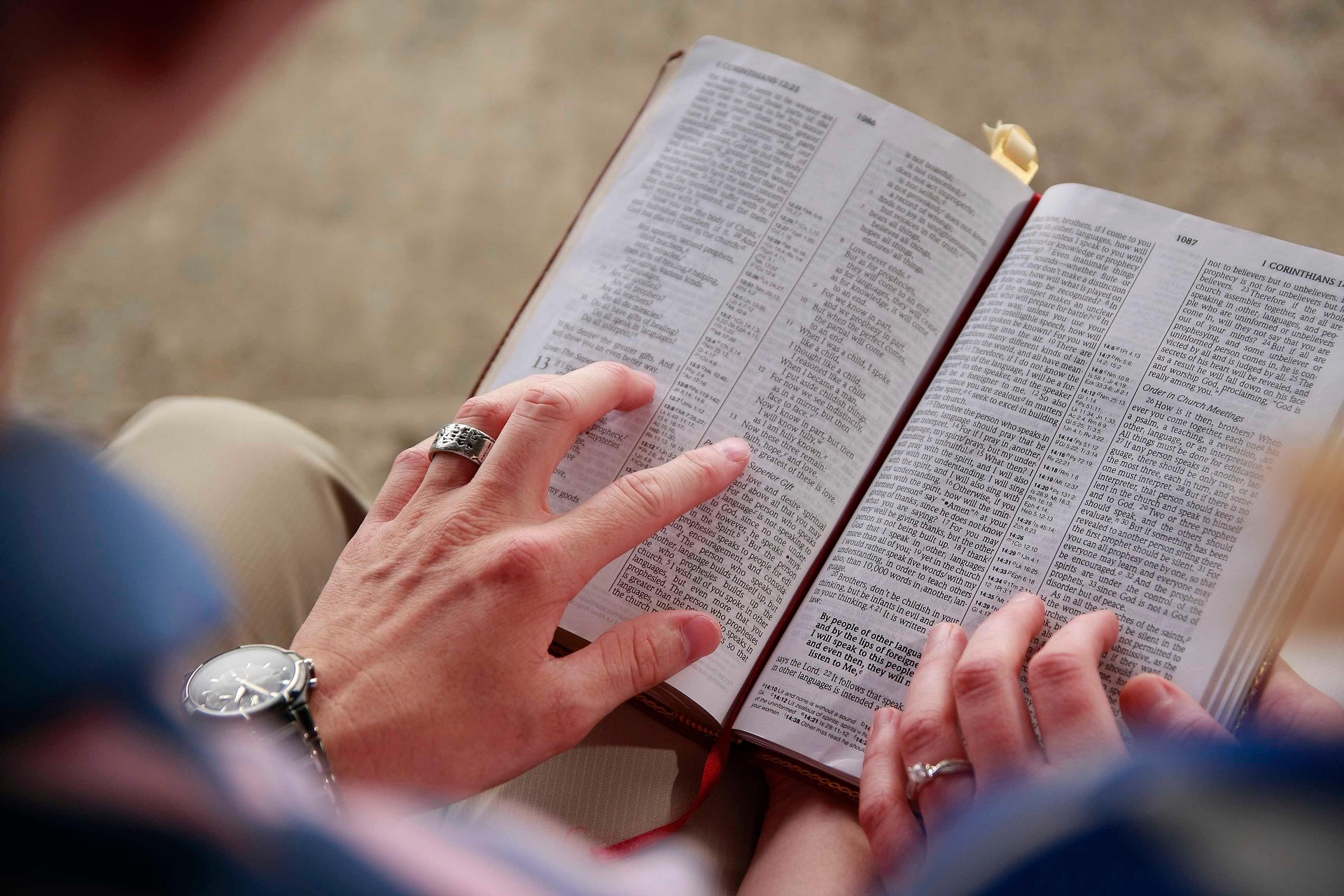
Faith versus performance
Christian faith is reflected in the way we live our lives and treat the people around us.
In Matthew’s Gospel, Jesus says we will recognise people by their fruits (Matthew 7:16).
Christian discipleship means learning from Jesus and putting his teachings into practice. That means showing compassion, practising forgiveness and taking responsibility for how we treat others. It’s not about appearing to be a perfect Christian, but putting those teachings into practice in everyday life.
Who are we behind the screen?
Think about how you present yourself on social media. We carefully shape our online identities, choosing what we share and how we want people to see us. But our online profiles don’t always show the full picture.
We also tend to see content that reinforces our existing opinions. Algorithms show us content based on what we’ve previously watched or shared.
This can make it harder to understand different perspectives or engage with people whose views challenge our own. For Christians, being open to others is an important part of living out our faith.
Why Christian community is important
Christianity has always placed importance on community – our faith develops through relationships and a sense of belonging.
It’s often easier to communicate through a screen, where we have more control over what we say. But meaningful relationships involve listening, showing empathy, working through disagreements and sometimes having tricky conversations.
Online Christian communities can offer valuable opportunities to connect, particularly for people who can’t attend church in person. But online connections don’t always offer the same experience as getting to know people face to face and sharing everyday life.
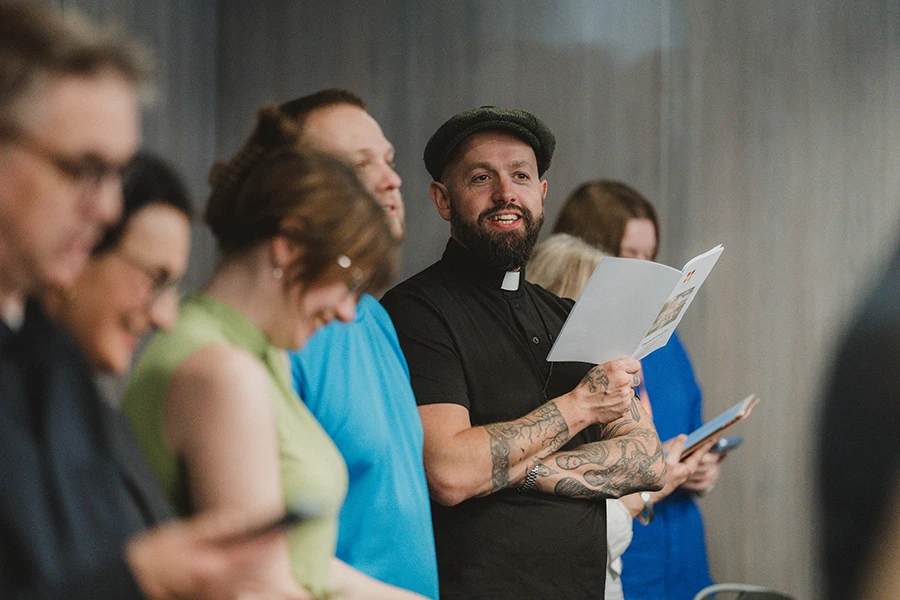
Living as a disciple online and offline
Social media isn’t incompatible with Christian faith. It can help us learn, connect with others and encounter different ideas. What matters is how we use it and who we choose to listen to.
Perhaps the real test of discipleship isn’t what we post, but how we live our faith every day.
Explore theology study at St Augustine’s
If you’ve ever wondered what it really means to follow Jesus, the Spirituality and Discipleship Taster Term at St Augustine’s College of Theology could be a good place to start.
Running from April to June 2027, the taster term explores what it means to follow Jesus in body, mind and spirit. You’ll consider Christian spirituality through theology and contemporary science, and how it relates to your understanding of yourself, your relationships and the world around you.
There are no academic entry requirements. You can experience theology study at St Augustine’s and study a subject that interests you, without committing to a full programme.
Find out more about the Spirituality and Discipleship Taster Term.
You can also book a free taster event to meet lecturers, sit in on real classes and chat with current students.