
Slugs and snails – Welcome to Week One of our Christian Spiritual Practice Challenge!
To begin, we’re encouraging you to look more closely at one of God’s most overlooked wonders: slugs and snails.
Yes – we know they’re not particularly attractive, but this week’s practice aims to help you pay attention and discover how attentiveness can deepen your spirituality. In basic terms, it’s a gentle introduction to theology study.
Principal of St Augustine’s College of Theology, Alan Gregory, shares more below, including why this week’s practice helps you develop an essential Christian virtue: humility.
It takes just 15 minutes a day
Find some slugs and/or snails in their natural habitat (maybe your garden or a park), and spend at least 15 minutes each day watching them for a week or two.
I’m not joking or setting you up for a prank with hidden cameras to film you consorting with gastropods. This is definitely a Christian spiritual practice. And you need to know that slugs and snails are more interesting than you are.
This practice involves you in humility, nothing less than a founding Christian virtue. Your gastropod friends will school you in the art of attentiveness.
The discipline of paying attention – it’s not gawking
I have spent too much of my life inside my head, which is not necessarily a sign of intelligence. It just means I fall over stuff when my wife reorganises the furniture.
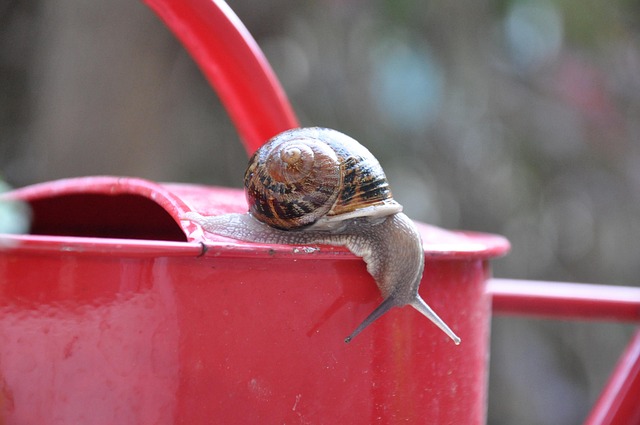
I am painfully aware that paying attention is a discipline, and for some of us, a demanding one. Whether it’s Chartres Cathedral, the Grand Canyon, or the snail on the lip of your watering can, attending is not just gawking at something.
We do gawk, especially at impressive or surprising sights, but gawking doesn’t really go anywhere. When we gawk, we register, occasionally with profound emotion, something that calls for more than this slack-jawed amazement. We are called to attention, and if we’re still staring, we’re not yet attending.
What are the three stages of attending?
Attending to slugs and snails involves three stages:
1) Discrimination: See what is really there
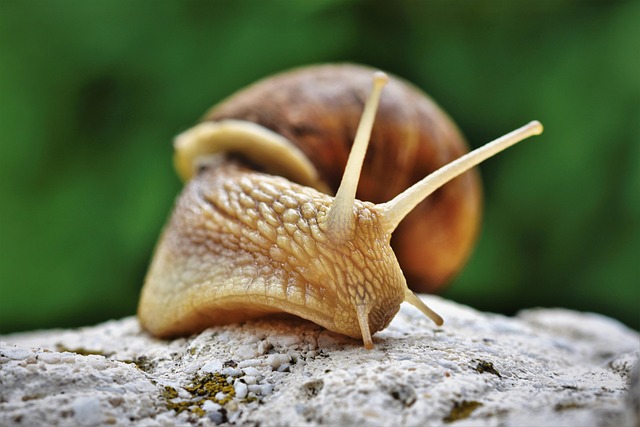
We begin with discrimination. Consider what you’re looking at. I’m so used to taking things in as more or less vague impressions of a whole that it takes some effort to look.
- Where is the snail, and what is immediately around it?
- What size is my snail?
- What shape is the shell?
- What colour is it, and how does the shell’s colour differ from the snail’s body?
- Do I see ‘body parts’ in this snail?
Attending involves all our senses, though I don’t expect you to lick your slug. A snail has no smell detectable by the human nose, and if slugs mutter to themselves, they do so sotto voce, at least as far as we’re concerned.
Slugs and snails have texture. Even if you can’t bear to touch them, since our senses work together to establish a unified sensory field, we take in something of that sluggy texture through our eyes.
2)Reflection: Ask the right questions
Sooner or later, this initial examination turns into reflection or asking questions.
- Why this shape of shell?
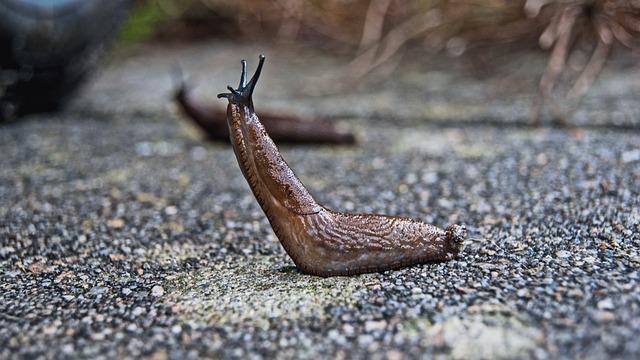
- What’s that trailing behind the slug?
- How do these gastropods stick to surfaces?
- What do they eat?
- How fast can a slug move?
Thanks to the internet, we can easily get answers. It’s important to notice how the answers change what you see, alerting you to what you haven’t yet noticed. They also provoke new questions, and the answers will enrich what you see and excite new questions.
3)Contemplation: See the beauty of snails and slugs
We now come to contemplation. Since your conversation with snails is a spiritual practice, you need to give yourself time for this stage of attention.
‘Contemplation’ is a little harder to describe, not least because it may take us to the place where words fail us. You may find yourself led to an awareness of attending to your snails and slugs before the mystery of God, your God, and, yes, theirs also.
Receptivity is foremost; the active process of looking and questioning moves to the background – not forgotten but not attended to. We look and listen, breathe evenly, wait.
Contemplation may provoke gratitude, especially if we’ve learned about the contributions these fellas make to a world we’re a part of. Take the hidden work of slugs and snails – breaking down the soil, recycling nutrients – as a little parable of our living by grace.
As you contemplate your gastropods, remember that, way back, the old theologians recognised such creatures as logoi, visible words in which God whispers his mystery and love to those who look out for them.
By now, if you’ve followed these three stages of attention, you’ll realise that attending – though we rarely manage it, sadly – is nothing less than a mode of love.
How do snails praise God?
Perhaps you’re thinking, “And how do bananas vote?” Yet snails do praise God. The Old Testament refers to the praise of creatures:
“Praise the Lord from the earth… Beasts and all cattle, creeping things and flying birds!”
By their living, the animals bear multifarious tribute to God; they offer the recognition of creatures who live as God gave them being. Creaturely life, in its light and dark, as Job understood, glorifies God.
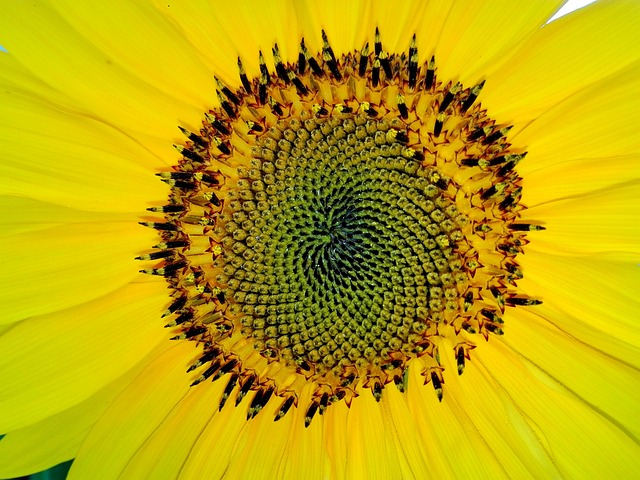
How do snails praise God? They praise God by being snails and striving to realise their snaily possibilities in the various conditions of their environments. No continent on earth lacks snails. Every spiral shell grows according to the Fibonacci sequence or ‘golden spiral’, found in pineapples, sunflowers, starfish, and much else, including spiral galaxies like ours.
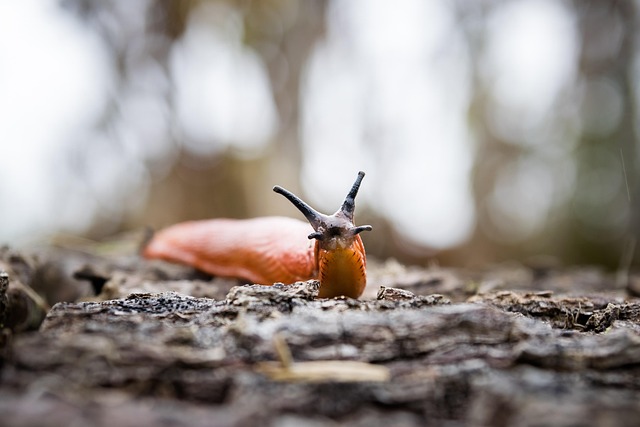
You may think I am neglecting slugs, but all I know about slugs is that they have 27,000 teeth, which leaves me speechless.
Join in the song of creation
Now, if slugs and snails praise God, how do we praise God through snails and slugs?
How do we join in their praise, acknowledge, rejoice, and participate in their gastropodic glorying?
We need to know this because if we praise God with snails, praising God for the praise of slugs, we begin to sing with creation. We give thanks, with them, for our place in creation, for our belonging, for our embodied embeddedness in the flesh of creation.
We can take this a step further. More than just rejoicing that snails exist, we also delight in their delight, which is their persistence in life, in being snails.
We love the snails’ love of living, which, strange though it is to say, joins us with snails in a communion of creatures that love God, who gives the life we love – the love of which, in other creatures, we also love.
That’s not as convoluted as it sounds. If we truly delight in the love another has toward what we love, our love has become non-possessive – or more like Jesus.
Spiritual Practice leads to care
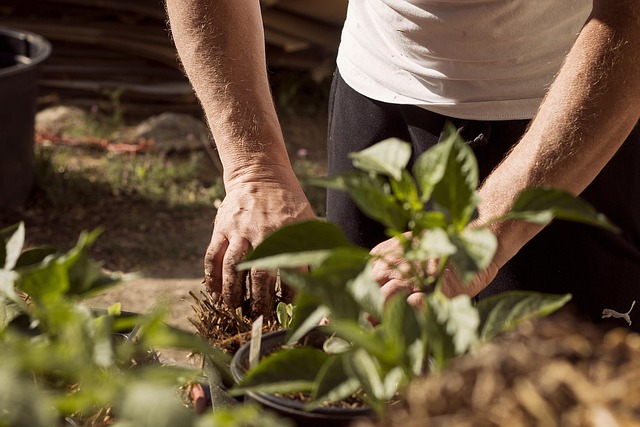
So, what does it take to recognise and rejoice in the praise of slugs and snails? Simple. It takes this spiritual practice.
It may not end there. When we pay attention to creatures, we’ll start to care more about the kinds of relationships we establish with them.
My father would gladly have used napalm if he thought it would forever rid the garden of slugs. If you undertake this spiritual practice, I expect you’ll favour a more companionable and appreciative approach to the garden gastropods. At least, I hope so.
Attention bears fruit in care and careful action.
The Spiritual Practices Challenge – theology study
Each week in February, we’ll suggest a Christian spiritual practice to help you slow down and open your heart and mind to the mystery of God’s presence.
We’ve got three interesting challenges lined up, and we’d love you to join us.
Watch our short intro video to learn more
In this video, Alan Gregory discusses the spiritual practice element of our upcoming Spirituality and Discipleship taster term, starting in March 2026.
Share your progress
We’d love to see how you get on. Share your progress and inspire others by posting on Facebook or Instagram using the hashtag #StAugSpiritualPractice.
Ready to begin?
Keep an eye on our website’s news page and socials for weekly practices, and let’s make February 2026 one to remember.